
AI Development in India
vs Other Countries
Hiring AI developers in India vs Eastern Europe, Southeast Asia, or the West. Honest breakdown of cost, quality, timezone, and communication.
When you are evaluating where to hire AI development talent, the conversation usually starts with rates and ends at timezone. There is more to it than that.
Here is an honest look at the main regions, what they actually offer, and what the numbers do not tell you.
Cost and Quality Comparison
| Region | Hourly Rate (approx) | AI Talent Pool | Timezone (IST overlap) | English | Track record |
|---|---|---|---|---|---|
| India | $25 to $60 | Very large | Good (Gulf, Europe partial, US async) | Strong | Extensive |
| Eastern Europe | $50 to $100 | Strong in ML | Moderate with US | Good | Strong |
| Southeast Asia | $20 to $45 | Growing | Limited with Europe | Varies | Growing |
| Latin America | $40 to $80 | Growing | Excellent with US | Good | Strong |
| US / UK / Aus | $120 to $250+ | Deep | Local | Native | Deep |
Why India specifically for AI
The IIT and NIT pipeline produces a large number of engineers with strong mathematical foundations, which matters a lot for ML work. There is an established ML research community, a long history of enterprise software delivery at scale, and a large pool of engineers who have worked on production AI systems rather than just academic projects. India also has a track record of delivering for US, UK, and European clients across time zones, which reduces the communication friction that shows up with other offshore regions.
What to look for beyond the rate
- How they handle communication: do they surface blockers early or stay quiet until deadlines slip?
- Whether they have shipped AI to production, not just built demos or proof of concepts.
- Whether they understand your domain, or are learning it on your budget.
- Their process for handling scope changes, which is where most outsourcing relationships break down.
The timezone concern is usually smaller than it feels
Working with an India-based team from the US or UK typically means a half-day overlap or near-full overlap with Gulf and European clients. Most teams find that async communication handles the majority of day-to-day work, and a daily or alternate-day call covers the rest. The model that breaks down is one where the client expects same-day responses at all hours. The model that works well is one where both sides invest upfront in clear scope, agreed processes, and a shared project management tool. Teams that struggle with timezone usually have a communication problem, not a timezone problem.
How to evaluate any offshore team before committing
- Ask for two references from clients in your region who completed projects in the last 12 months.
- Request a sample technical document such as a system design or data architecture writeup to assess how they think.
- Run a small scoped engagement before a large one. Strong teams are comfortable with this.
- Ask them to walk you through a situation where a project changed significantly mid-flight.
- Check whether they have case studies with measurable outcomes, not just screenshots or technology lists.
Want to see Appinfoedge's work before deciding?
Look at what we have shipped. Then ask us anything about how we work, our team structure, or what a project with us actually looks like.
Have a Project in Mind?
Let's Talk.
Tell us what you are building and we will come back within one business day with a plan, a timeline, and an honest cost estimate.
Ideas, Guides, and
Industry Perspectives
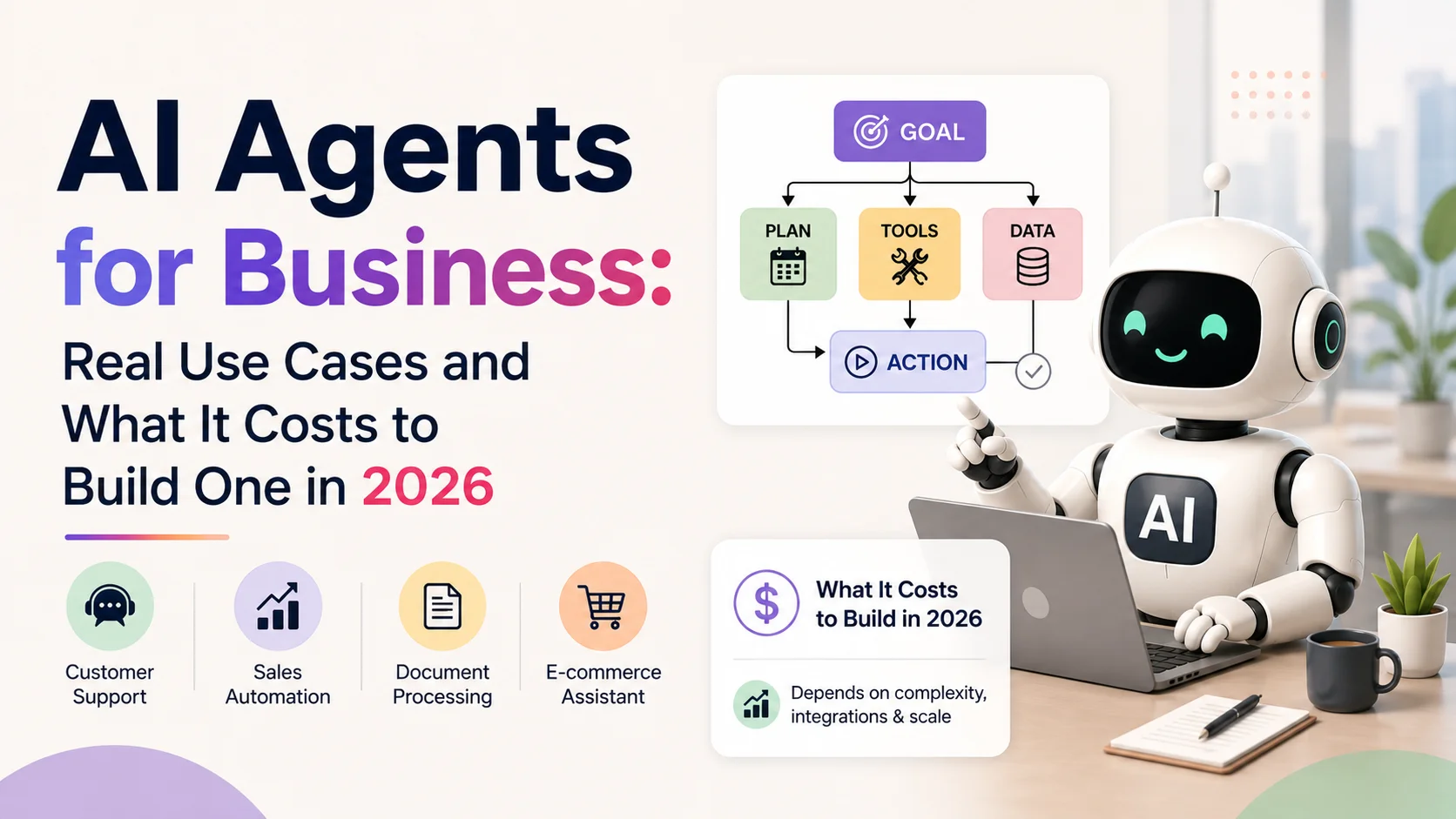
AI Agents for Business: Real Use Cases and What It Costs to Build One in 2026
AI agents for business explained simply. See real use cases, how agents differ from chatbots, what you need to build…
Read Article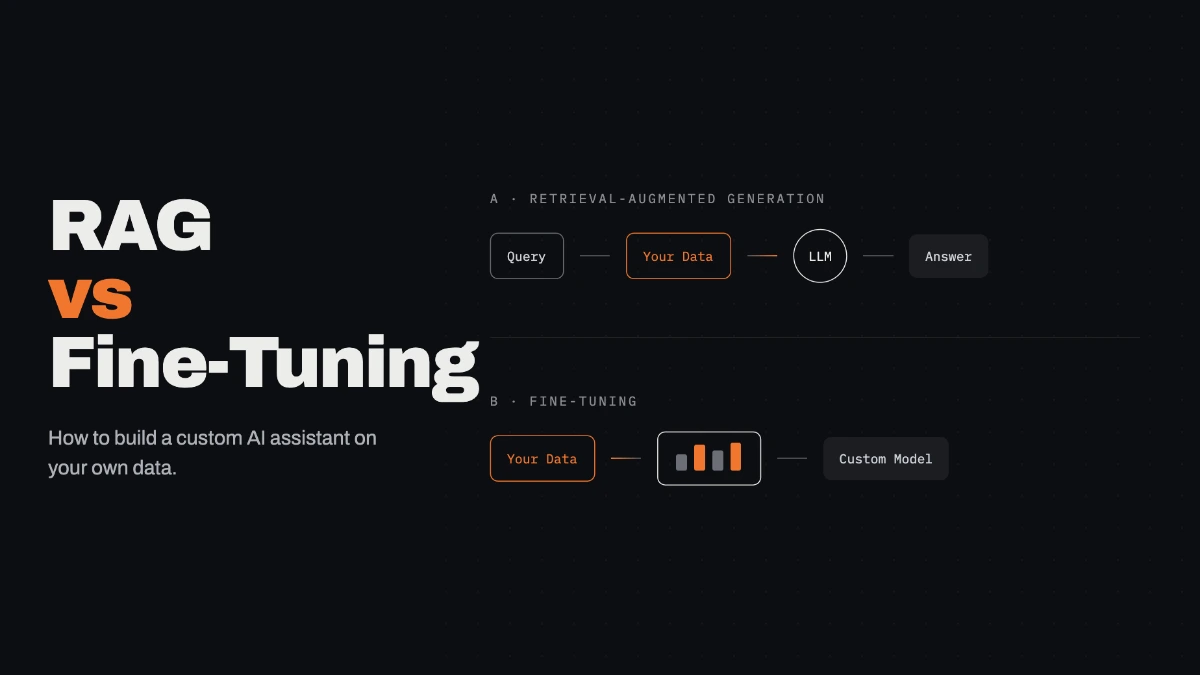
RAG vs Fine Tuning: How to Build a Custom AI Assistant on Your Own Data (2026)
RAG vs fine tuning explained in plain words. Learn how to build a custom AI assistant on your own business…
Read Article
How Much Does AI Development Cost in India? (2026 Guide)
A complete breakdown of AI development costs in India in 2026. Chatbots, ML models, LLM integration, and full AI products.…
Read ArticleLet's Talk About
Your Project
Have a question or ready to start? Drop us a message and we'll get back to you within one business day.