
TranziGo
A Mobility as a Service platform that brings every way of getting around into one app. Buses, trains, metros, bikes, scooters, and cars all in real time, with AI route suggestions and payments handled in a single tap.
The Project
Getting from A to B in a modern city often means opening three separate apps, cross-referencing timetables, and hoping the connection works. TranziGo was built to fix that. The client wanted one app where commuters could see every available transport option nearby in real time, compare routes across different modes, and book and pay without switching between services.
We built that product from the ground up. A unified mobility platform that makes multi-modal travel feel as simple as ordering a cab.
The Platform in Action
Every transport option in one view, updated live, with booking just a tap away

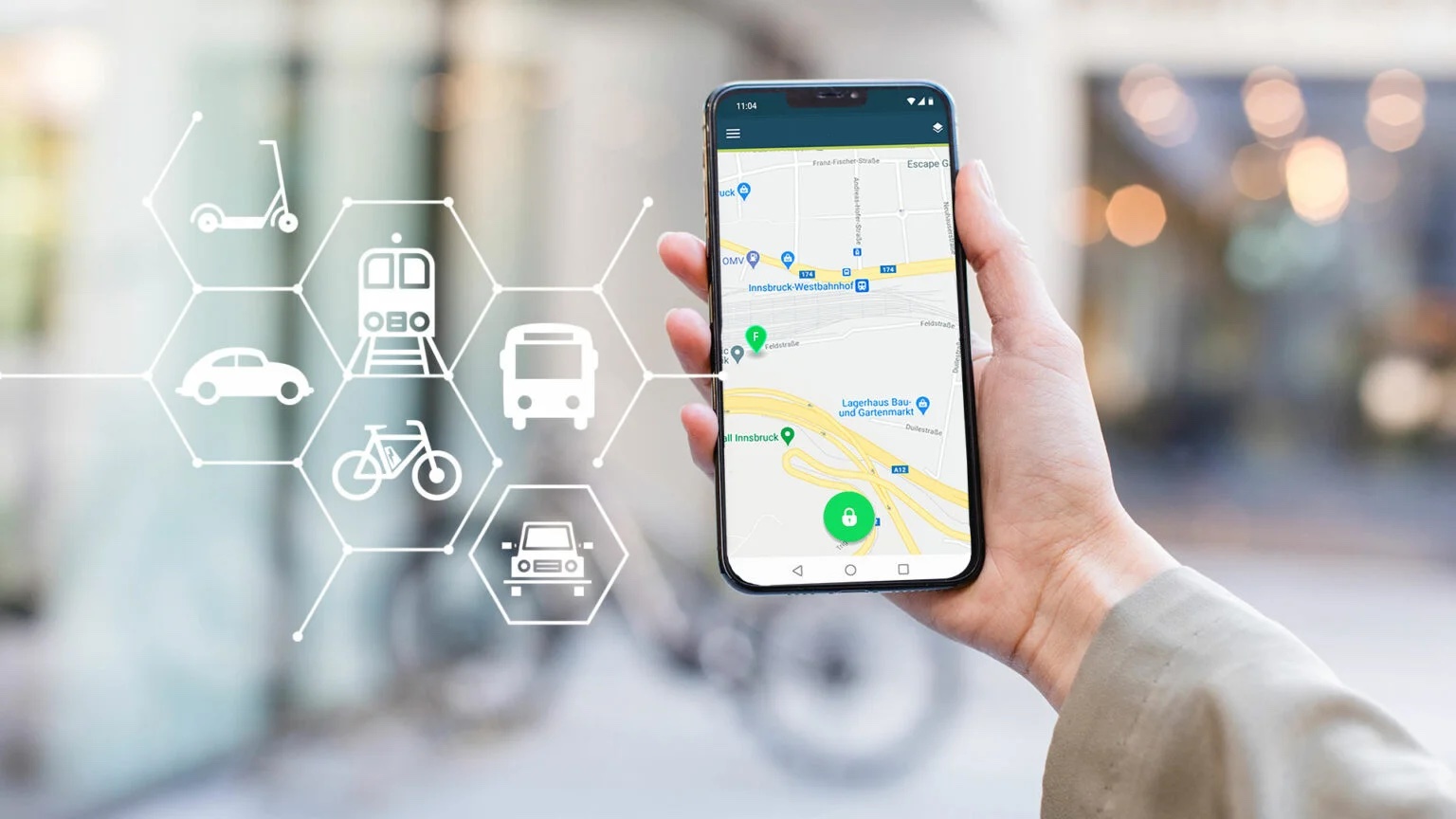
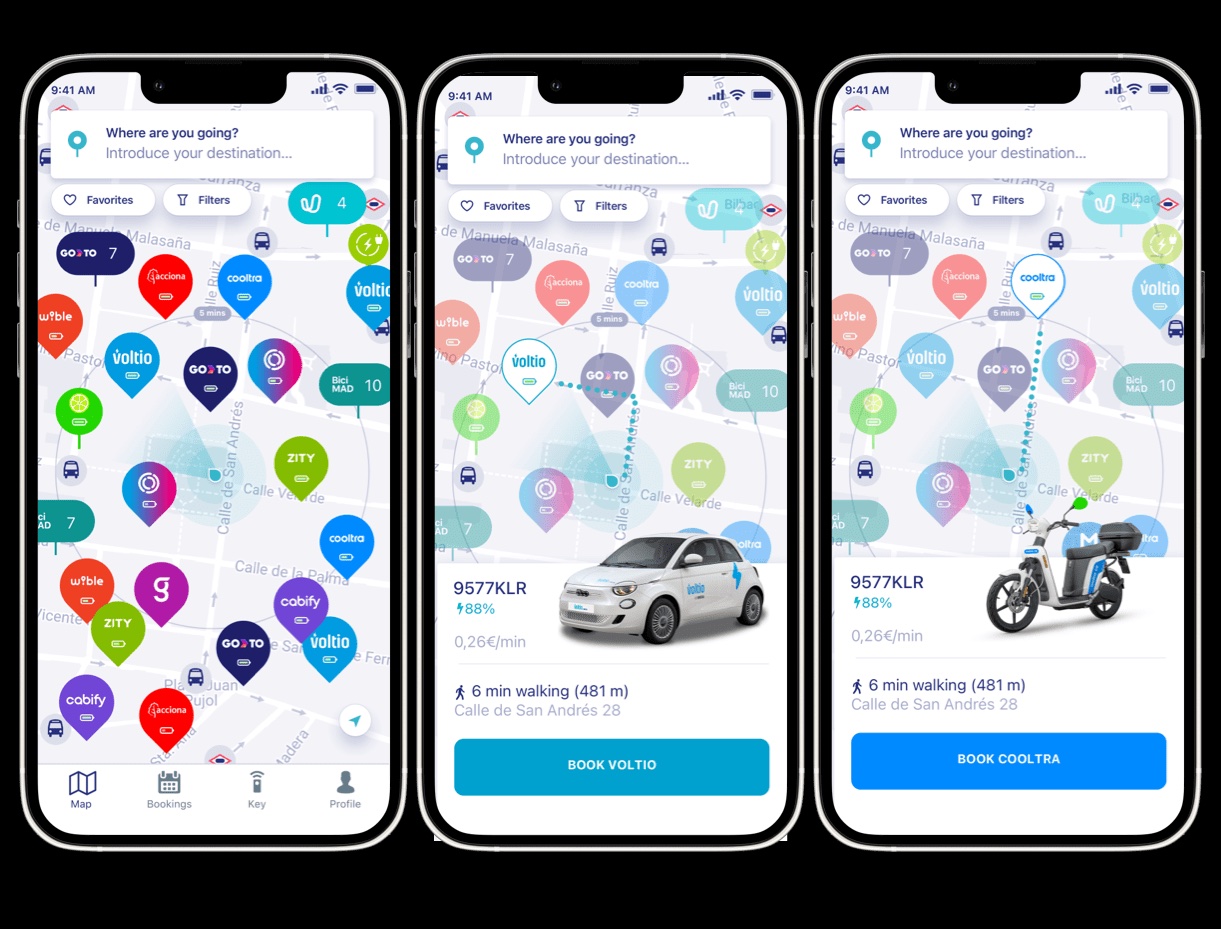
Connecting dozens of transport providers into one coherent experience
The technical scope was broad. Real-time data feeds from public transit operators, third-party bike and scooter providers, and ride-sharing services all needed to flow in cleanly and update live. Each provider had different APIs, different data formats, and different reliability profiles. Making all of that work together without exposing any of the complexity to the user was the core engineering challenge.
Journey planning across multiple transport modes is genuinely hard. Finding the best combination of a metro, a short bus leg, and a scooter for the last mile requires routing logic that accounts for real-time delays, live vehicle availability, and personalised preferences around cost, speed, or even carbon footprint.
The product also needed to feel fast. Users checking transport options are often already on the move. Any hesitation in load times or a confusing screen would cause them to close the app and fall back to whatever they already knew.
A live view of all nearby transport options including buses, trains, bikes, scooters, and cars, updated continuously without manual refresh.
Intelligent route suggestions that combine different transport modes for the fastest, cheapest, or greenest journey depending on user preference.
Book and pay across all providers from a single in-app wallet. No separate accounts and no switching between services mid-journey.
A personalised recommendation layer that learns from usage patterns and surfaces smarter options based on how each user actually travels.
Dynamic discount logic that rewards users who travel outside peak hours, helping reduce network congestion while saving them money.
Real-time vehicle tracking so users know exactly where their transport is and precisely when it will arrive at their stop.
A full MaaS platform with real-time routing across all transport modes
We built TranziGo as a cross-platform app using Flutter, giving both iOS and Android users a native-quality experience from a single codebase. Google Maps provides the base layer with a custom overlay system that renders live vehicle locations, route lines, and provider pins cleanly without cluttering the screen.
The journey planning engine sits at the core. It takes a destination, pulls live availability from every connected provider, calculates multi-modal routes, and ranks results by time, cost, and personal preferences. An AI layer on top of that learns from usage patterns and surfaces smarter suggestions the more the app is used.
Payments run through a unified in-app wallet that works across all providers. Users top up once and the app handles the payment split in the background when a journey crosses multiple services.
Built to handle real-time data from dozens of providers at scale
Flutter handled the cross-platform frontend. Node.js powered the API gateway and all provider integrations. Firebase managed real-time sync and push notifications. Google Maps provided the mapping and routing foundation. PostgreSQL stored user profiles, journey history, and ticketing records. Redis kept live transport data fast in cache. WebSockets handled the real-time connection layer for live vehicle updates. Razorpay handled domestic payments with Stripe for international coverage.
A product that made commuters rethink how they travel
TranziGo launched to strong early reviews from users who had previously accepted the friction of multi-modal travel as unavoidable. The feedback that came up most consistently was about clarity: for the first time they could see all their options together and make a real decision rather than defaulting to whatever route they already knew.
The off-peak discount feature drove engagement beyond what the team had anticipated. Users started planning trips around it, which improved efficiency across the transport network the app serves. The product was not just solving a user problem. It was quietly changing travel behaviour in the cities it launched in.
Building a transport or mobility platform?
We understand the complexity of real-time integrations and multi-provider systems. Tell us what you are building.
Ideas, Guides, and
Industry Perspectives
AI Agents for Business: Real Use Cases and What It Costs to Build One in 2026
AI agents for business explained simply. See real use cases, how agents differ from chatbots, what you need to build…
Read Article
RAG vs Fine Tuning: How to Build a Custom AI Assistant on Your Own Data (2026)
RAG vs fine tuning explained in plain words. Learn how to build a custom AI assistant on your own business…
Read Article
How Much Does AI Development Cost in India? (2026 Guide)
A complete breakdown of AI development costs in India in 2026. Chatbots, ML models, LLM integration, and full AI products.…
Read ArticleLet's Build
Something Great
Tell us about your project and we'll get back to you within one business day with a clear plan and an honest estimate.